Projects
2025 Bachlerlorthesis at excagol medtech UG
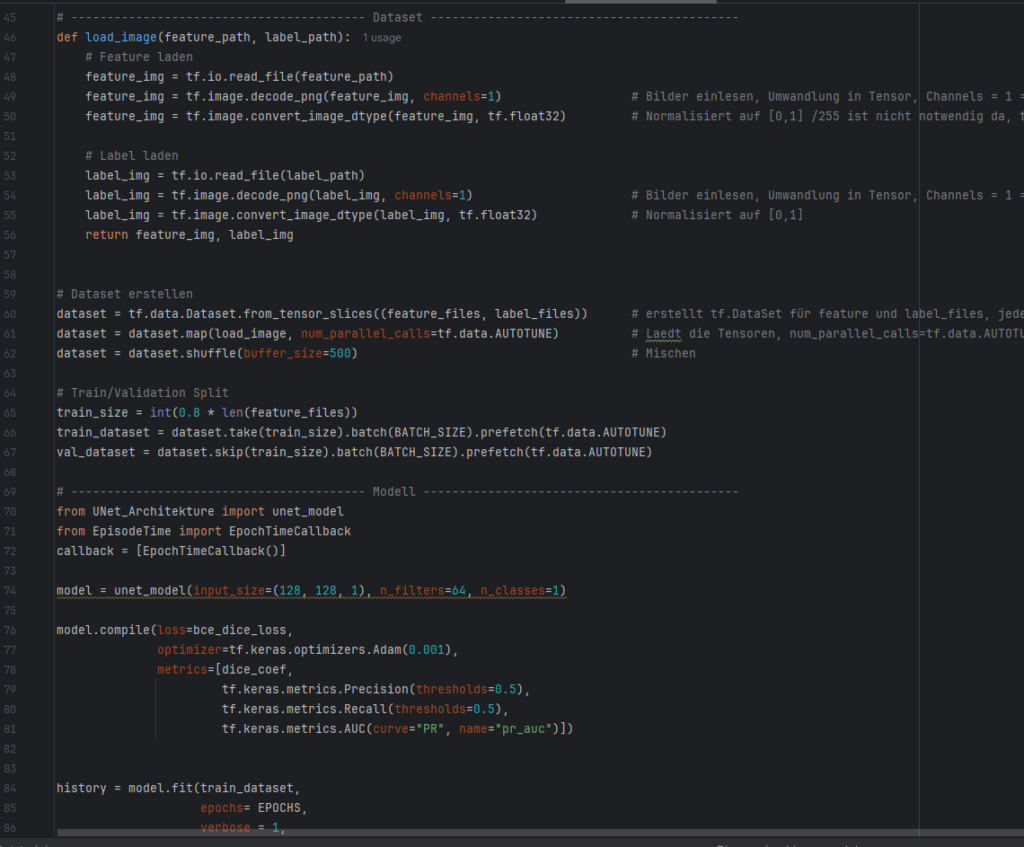
Felix thesis was written in cooperation with excagol medtech UG. In the course of this work, Felix explored the topic of 3D segmentation from 2D ultrasound data in depth and analyzed as well as applied various CNN architectures.
The main focus of the thesis was on programming, parameterizing, and evaluating the CNNs. This also included preprocessing the dataset used and labeling the data in order to enable supervised learning.
The results were presented to excagol medtech, along with suggestions for improvements and possible approaches for integrating the models into a prototype.
2024 Testing High Frequencys in Logical Gates
Project at the HAW Hamburg
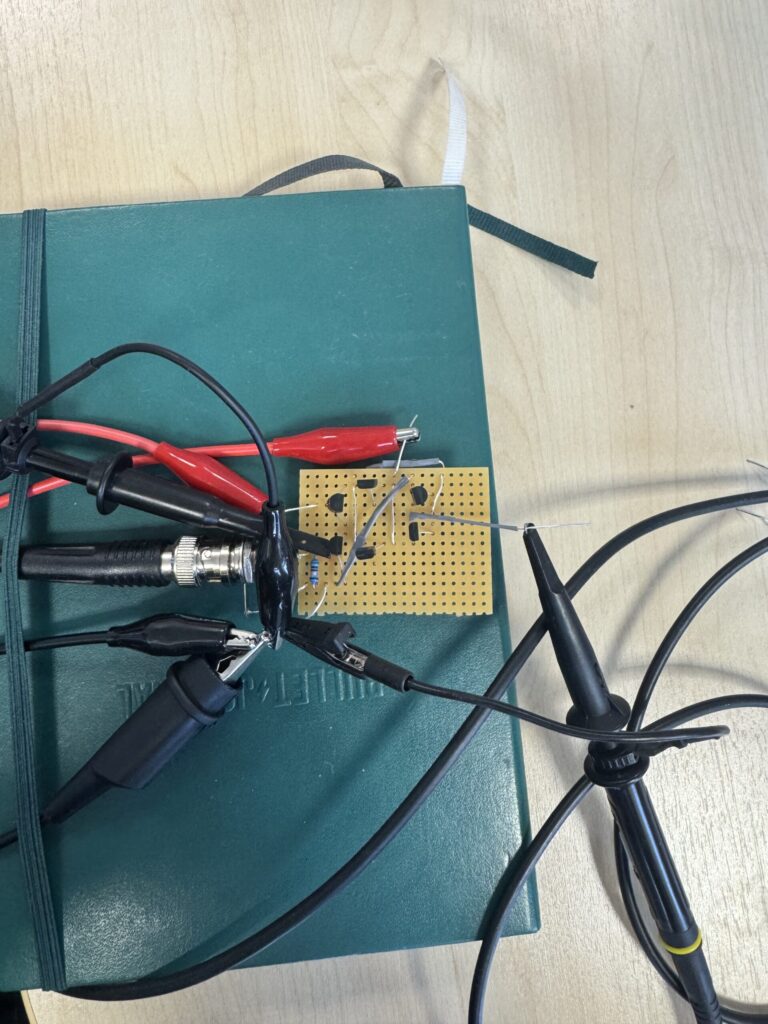
In 2024, Felix tested various logic gates for their switching time under input signals in the GHz range. The goal was to implement logical AND, OR, and NOT gates using CMOS technology. For this setup, low-level N-MOS and P-MOS MOSFETs were used, which together form the well-known CMOS circuit.
In practice, it became apparent that when attempting to feed a GHz signal into the constructed measurement circuit, the impedance of the cables as well as parasitic inductances and capacitances caused signal reflections in the lines, along with high turn-on and turn-off currents in the MOSFETs.
The experiment was documented and then repeated at 300 MHz. In this case, the measurements showed that the switching on and off times of the MOSFETs sometimes differed by a multiple from the manufacturers’ specifications
Problem Statement
Logical gates are typically integrated into microchip circuits, where CMOS components are built thousands of times smaller and more compactly than in the assembled test circuits. The switching behavior, especially of logical gates, can therefore only be transferred to a limited extent from microscopic components to centimeter-scale structures, since the influence of material properties and propagation delays between individual components is too significant.
MOSFETs
The following MOSFETs were tested both for the simulation and for the subsequent practical measurements:
N-MOS: 2N7000 (TO-92 package)
P-MOS: ZVP2106A (TO-92 package)
The models were simulated in LTspice and were also created or parameterized manually.
2N7000
.model 2N7000 VDMOS (Rg=25 Vto=2.55 Rd=0.37 Rs=1m Rb=0.6 Kp=0.36 Cgdmax=20p
Cgdmin=2.8p Cgs=17p Cjo=12p Is=1u Ksubthres=.1 Vds=60 Ron=1.2 Qg=1.4n)
ZVP2106A
.model ZVP2106A VDMOS (pchan Rg=62.5 Vto=-2.5 Rd=1.25 Rs=1m Rb=2.5 Kp=0.18
Cgdmax=35p Cgdmin=7p Cgs=80p Cjo=60p Is=0.5u Ksubthres=.1 Vds=-60 Ron=5
Qg=2.8n)
2024 Build a Drum-Machine with Arduino and Multiplexer
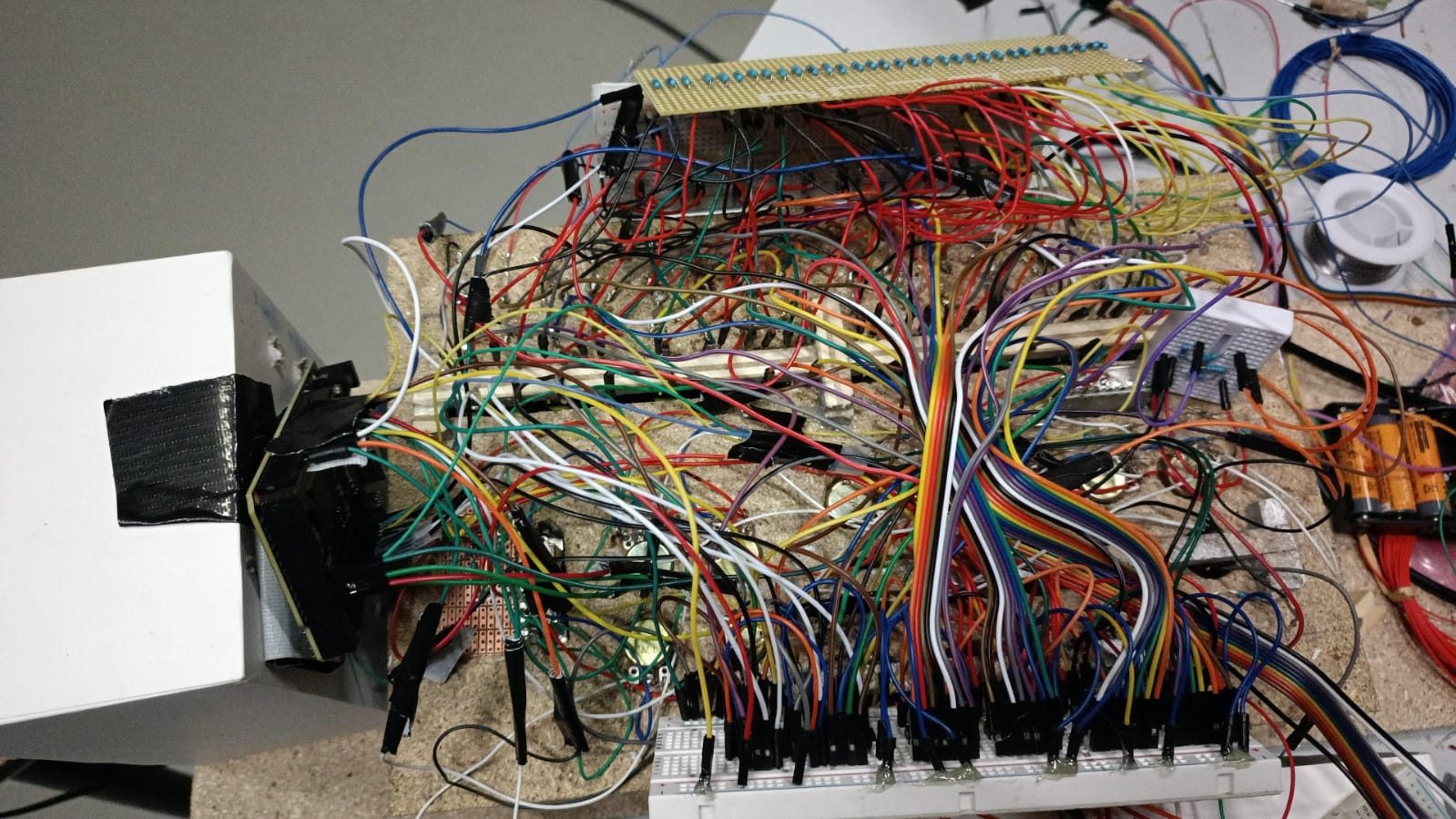
In 2024 with a team of Students Felix builded a interactive musicroom. Part of these room was a drum machine which was build with an Arduino MEGA and lots of multipexer and wires.
2024 Create a Camping App with React Native
Project at the HAW
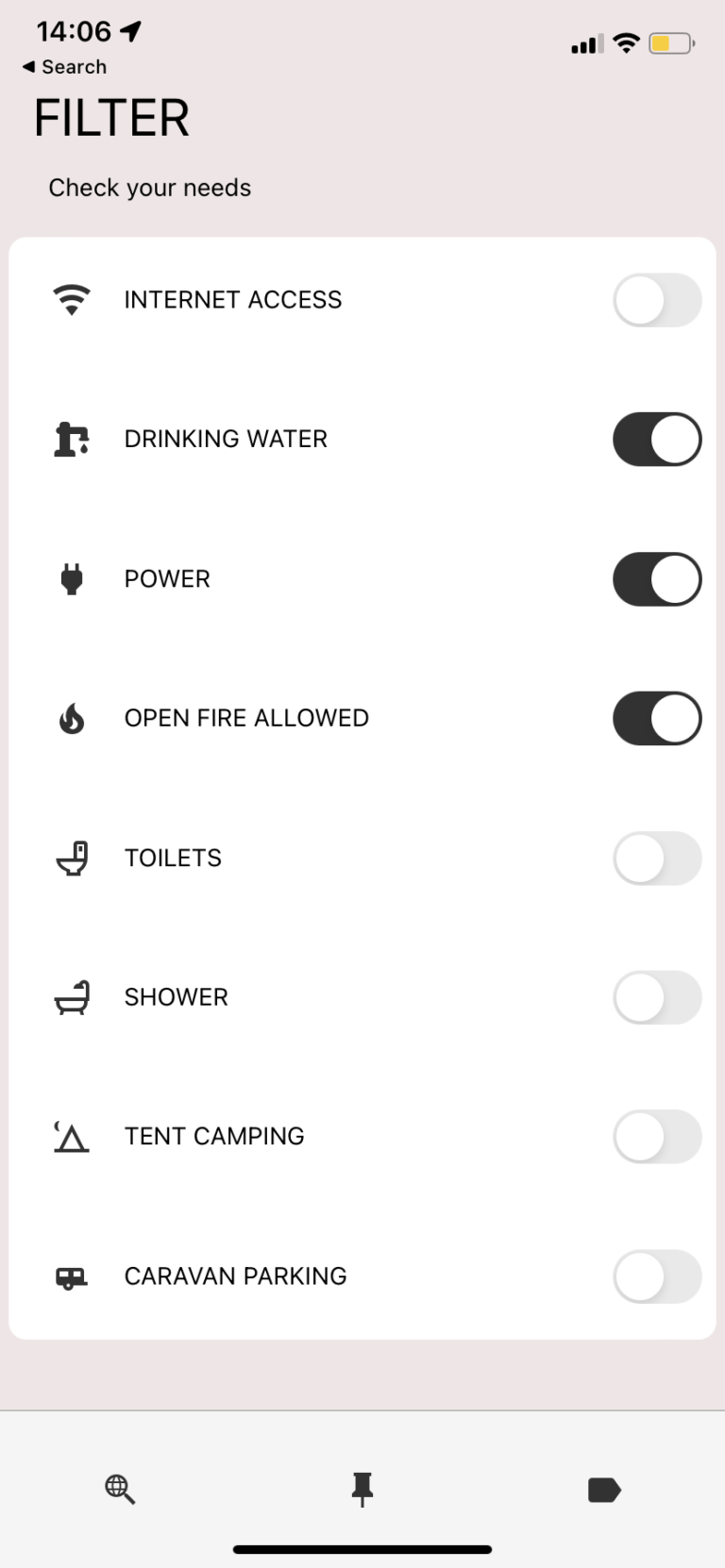
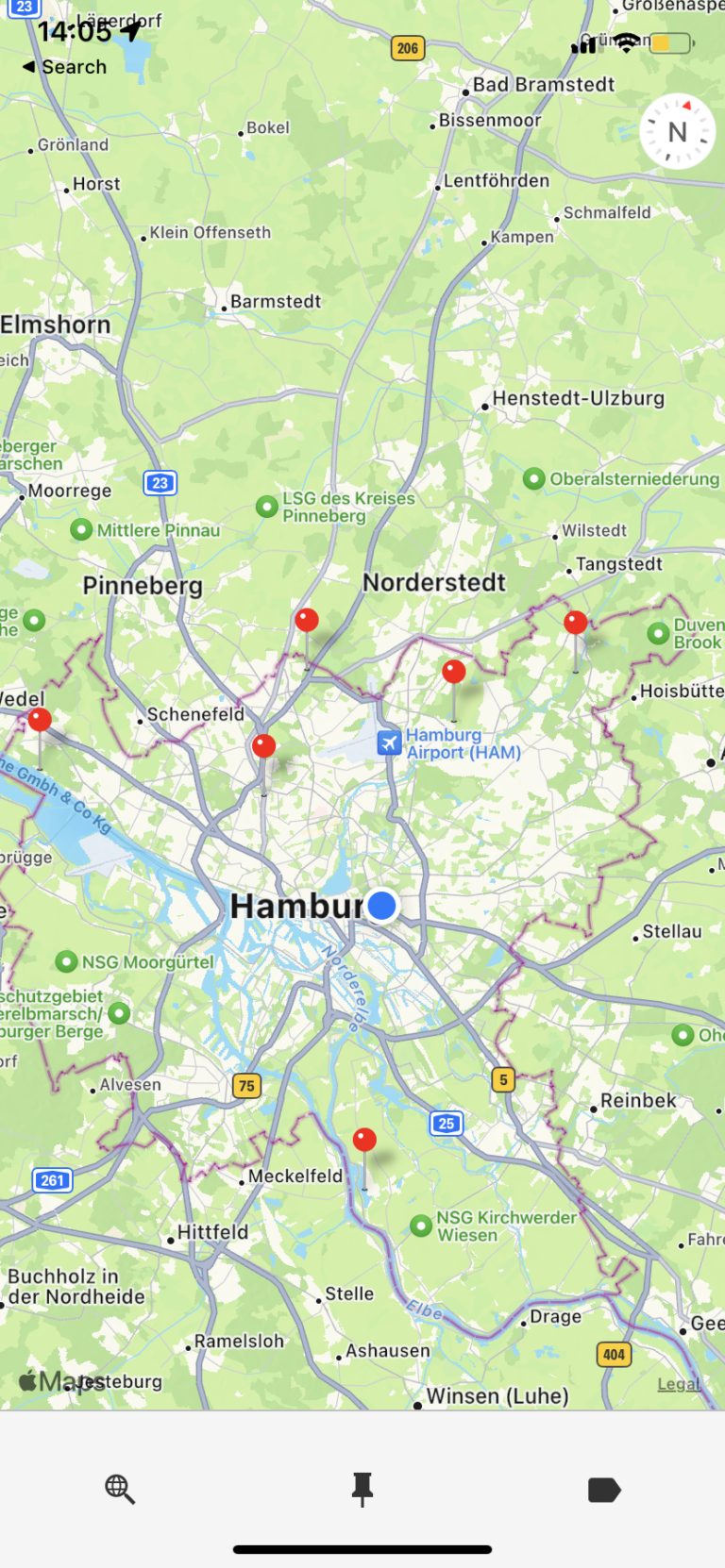
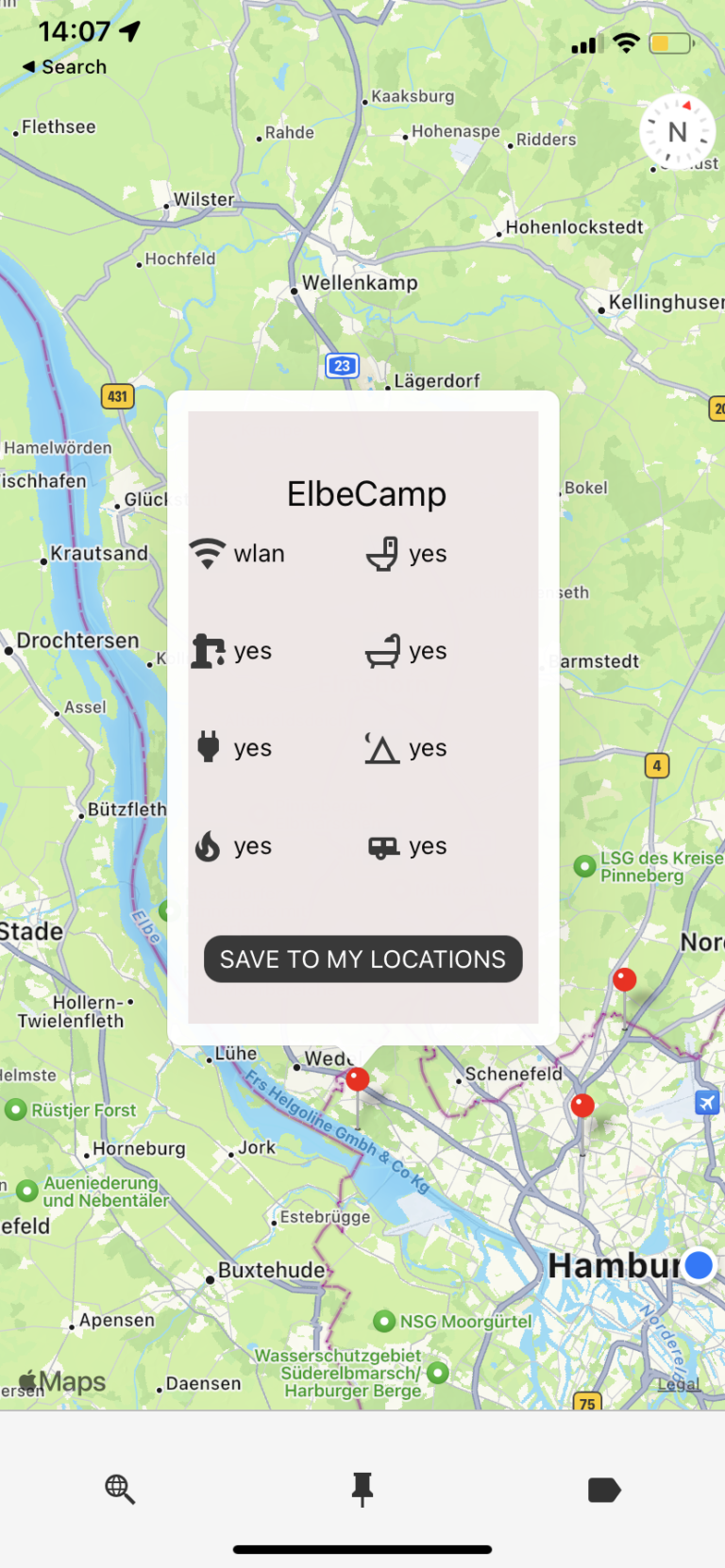
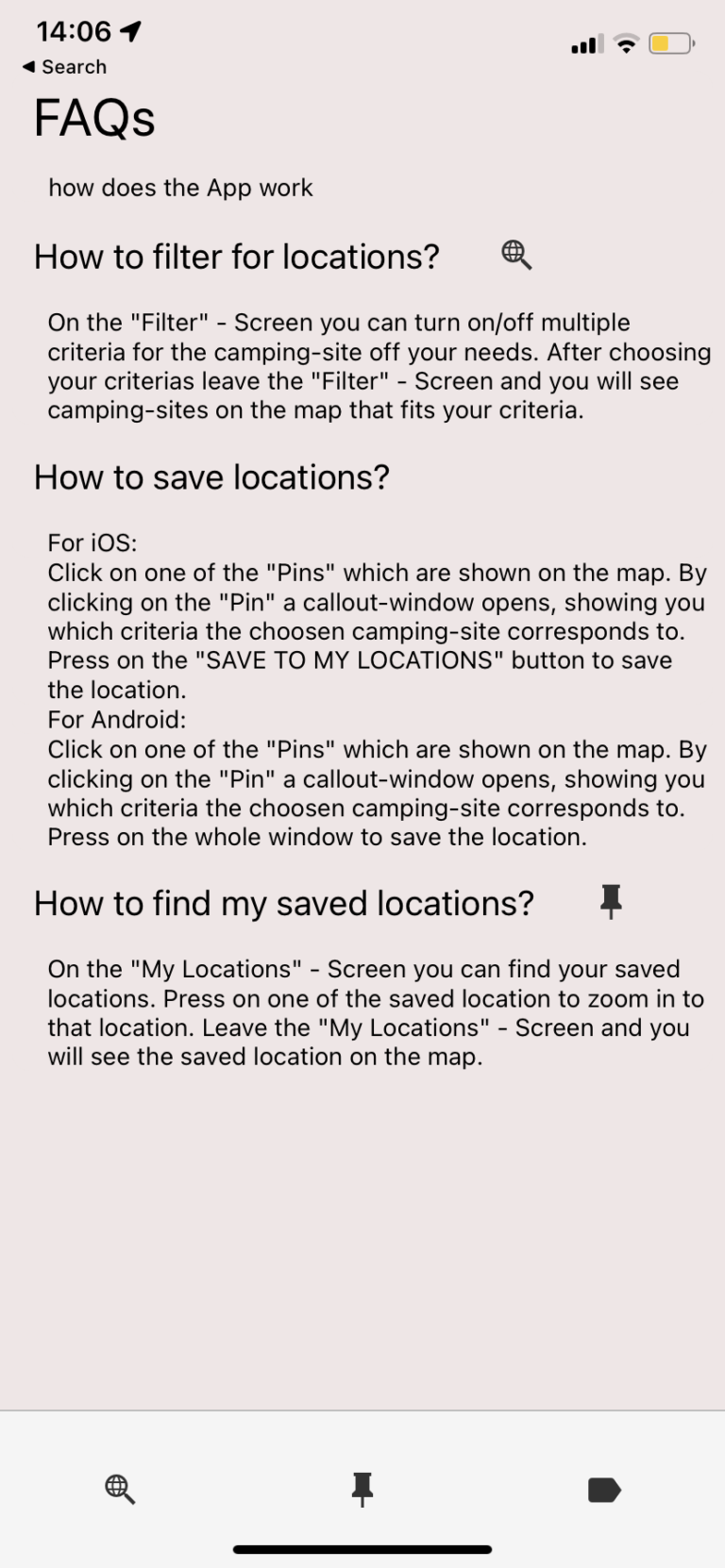
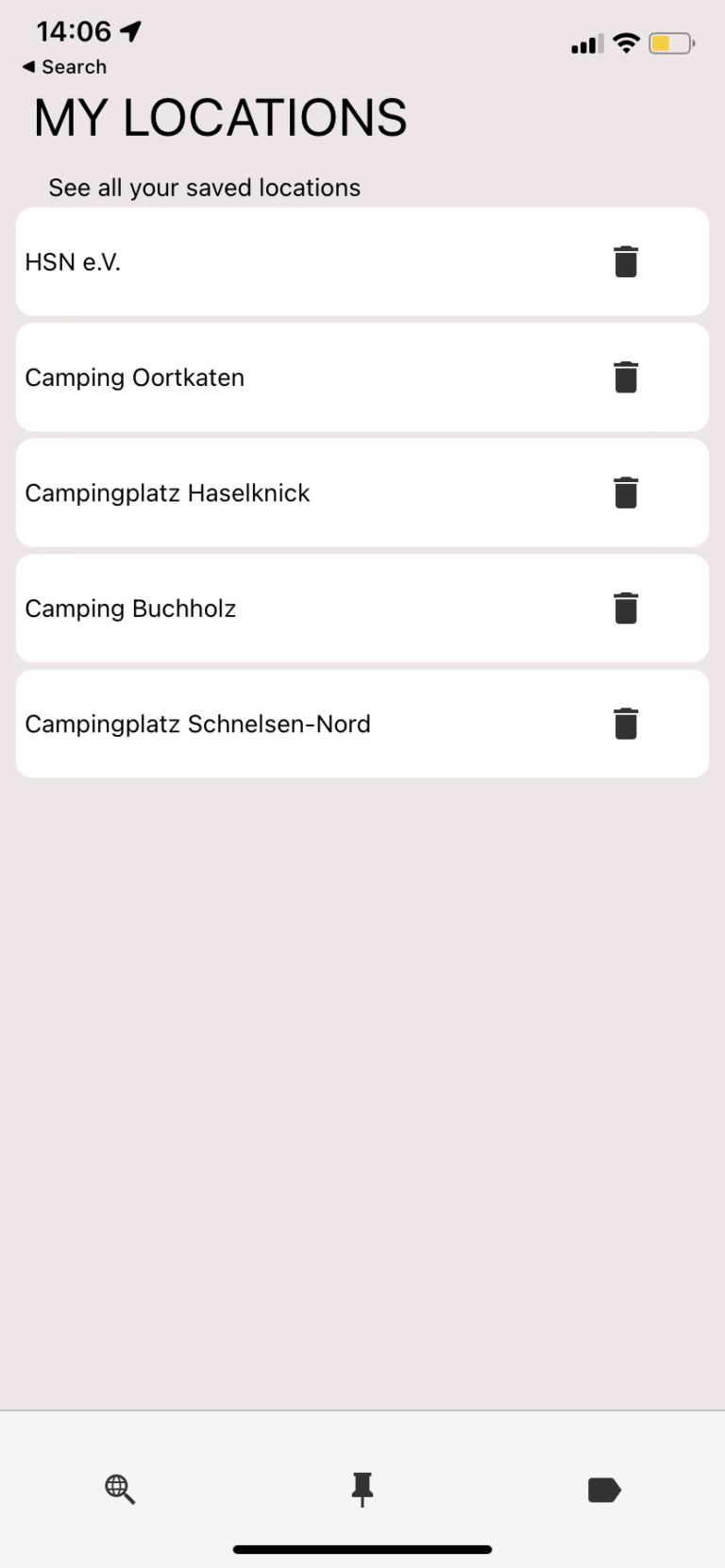
In 2024, a fellow student and Felix developed an app for campers using the React Native framework. With the app, campsites across Germany could be filtered, saved, and navigated to based on criteria such as electricity, Wi-Fi, parking space, fire pit, shower, wheelchair access, and more.
Future ideas included allowing members to leave reviews and add further campsites.
So far, only campsites that were listed in the databases of OpenStreetMap and Google Maps were displayed. Unfortunately, the app was never launched online because Felix lacked a server. Nevertheless, it was a valuable learning experience and an exciting opportunity to build an app using JavaScript.
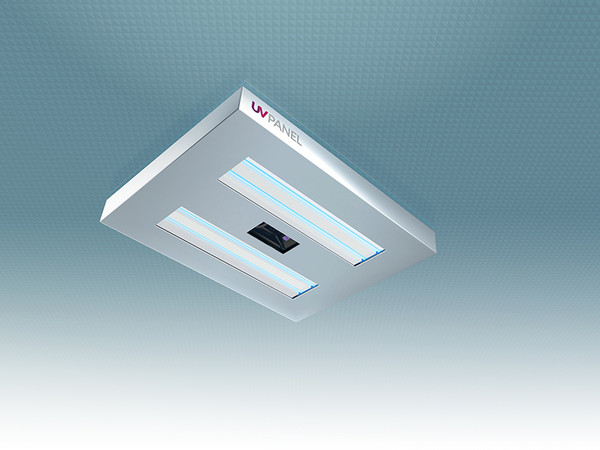
2022 - 2026 Building Prototyps for the UVENTIONS GmbH
For data protection reasons, Felix cannot go into much detail here. However, over the past few years, Felix had the opportunity to gain valuable experience at UVENTIONS GmbH, where Felix worked on building prototypes with Arduinos, Nvidia Jetson Nanos, and ESP32s, testing sensors and sensor systems, and further developing skills in CAD design and PCB design.
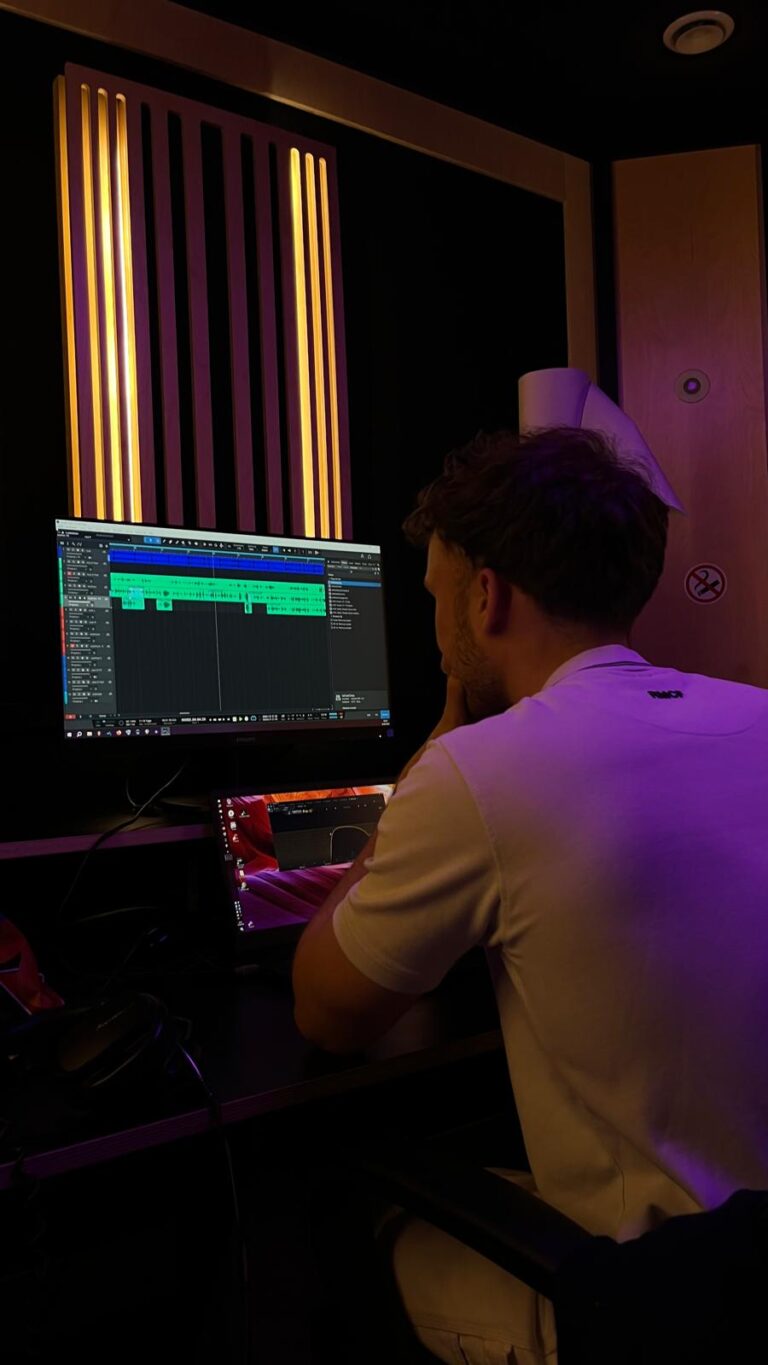
2023 Design and Construct a Music-Studio in Hamburg (Sternschanze)
Felix own Music-Studio
Due to Felix knowledge of audio engineering, as well as Felix background and experience as a music producer and audio assistant, Felix founded a studio complex in Hamburg together with three friends, consisting of three studios. The project involved extensive planning of the room layout, sound insulation, monitor placement, treatment of room modes, and the prevention of interference.
From moving in to final completion, the construction of the studios took a little over a month. To this day, the studio in Sternschanze is still in use and occupied by emerging artists.
At the end of 2024, Felix left the music studio because his focus had shifted from music toward technology and research. Today, Felix still visit the premises from time to time, and each time he is pleased to see how the work he did back then continues to bear fruit, with the studios steadily attracting more talented artists.